
Storms, heavy rainfall, strong winds, and flooding can cause significant damage to strata and body corporate properties, leading to water ingress and affecting both common property and individual lots. Without proper preparation and processes, these weather events can cause damage that may lead to costly repairs, lengthy recovery processes, and even safety hazards for residents.
With a higher chance of tropical storms during the warmer months, now’s the time to check your building’s weather readiness. This article provides a practical guide for strata owners and committees on managing storm and flood damage, covering responsibilities, legal obligations, insurance issues, emergency responses, and preventative strategies.
From October to April, Australia enters its high-risk weather season, when the likelihood of bushfires, heatwaves, floods, and tropical cyclones significantly increases. These extreme weather events can develop rapidly, causing significant disruptions and damage to homes, infrastructure, and communities.
With climate conditions becoming more volatile, frequent and intense, strengthening preparedness and response capabilities is essential for communities in high-risk areas across the far north, eastern and coastal Australian regions.
Acting before disaster strikes can help:
Unlike standalone homes, strata, owners’ corporation, and body corporate buildings involve shared ownership of common property such as roofs, gutters, basements, gardens, car parks, and external walls. When storm or flood damage occurs, it often affects both private lots and common property, which makes dividing responsibilities complex. It’s important to note that responsibilities can be difficult to define, as they may vary for each property depending on the individual strata plans or by-laws and building rules.
Below is an overview of key challenges that strata, owner’s corporation, or body corporate communities encounter with storm damage:
Storm damage to common property, like roofs, drainage systems, or external walls, can impact multiple lots. A single point of failure may lead to widespread issues, requiring coordinated repairs and funding.
Determining what falls under common property versus individual lot responsibility isn’t always straightforward. This can lead to confusion or disputes over who pays for what, especially when damage crosses boundaries.
Owners corporations, body corporates, committees, and strata managers must work together to assess damage, approve repairs, and communicate with contractors. Delays or miscommunication between these parties can slow response times and worsen the damage.
Repairs must meet current building codes, waterproofing standards, and safety regulations. Older buildings may have outdated infrastructure or existing defects that complicate compliance and increase repair costs.
Australia’s climate is diverse and dynamic, ranging from tropical and subtropical zones to temperate regions with seasonal wet periods. This means severe weather events like heavy rainfall, storms, and cyclones are not rare occurrences, but ongoing risks that strata, owners corporation, and body corporate properties must be prepared for. Understanding the types of weather-related damage is key to managing risk and navigating the recovery process:
Storm damage typically results from intense rainfall that overwhelms drainage systems.
Water that escapes from drains, gutters, or channels due to intense rainfall and overwhelmed drainage systems. It typically flows over land and into buildings with nowhere else to go.
Flooding occurs when water that escapes from natural or artificial water bodies, such as rivers, dams, creeks, lakes, or reservoirs, usually covering dry land.
The Insurance Council of Australia officially declared a severe weather event as catastrophic.
These events may trigger special insurance conditions or additional coverage under catastrophe clauses.
Understanding who handles repairs after a storm or severe weather event can be one of the more complex aspects of strata, owner’s corporation, or body corporate living. Damages, especially water ingress, may begin in one location and spread across several lots and common property, making it difficult to determine who should act. Responsibilities can vary depending on your scheme’s strata plan and by-laws or building rules. When unsure who should handle a repair, your strata, owner’s corporation, or body corporate manager is the best person to clarify obligations and coordinate next steps.
The general principle is:
While no one can control the weather, preventative maintenance is the most effective way to reduce the risk of storm and weather damage. Proactive measures not only protect property and save money but also help maintain the safety and resilience of communities. Preventive maintenance means taking regular, proactive steps to keep your property resilient against storms and floods. This includes inspecting, repairing, and upgrading structures and systems before problems arise.
Terry and the Elevator Direction team have kindly provided some general information to assist with preparing lifts during a cyclone or flooding event. In some cases, stopping flood water from entering lift pits will not be possible, but ensuring that water comes into contact with as few components as possible will save remediation costs and reduce the unit’s downtime.
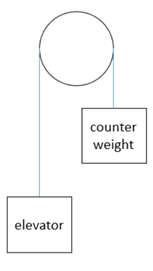
Isolating the lift on the top floor seems like the best solution, but in some cases, this can cause avoidable damage.
On traction lifts, when the lift car is at the top of the shaft, the counterweight will be at the lowest point in the shaft.
This may mean that the counterweight is submerged, and, in extreme cases, the hoist ropes may also become submerged. This could mean additional avoidable repairs will be required.
If your building is likely to flood, Elevator Direction provide the following guidance:
This is general guidance and does not consider each building’s individual needs. If you want to discuss your circumstances, please contact Elevator Direction.
For further guidance and helpful information visit Energex website.
Fire detection, alarm systems, or sprinkler systems could potentially be affected by flooding or power outages and, therefore, the ability to transmit alarm signals may be compromised.
In some instances, a systems backup battery may only last 24 hours once power is lost.
In an emergency, building occupants should contact 000.
While storms and extreme weather events may be beyond anyone’s control, how an owner’s corporation or body corporate responds in the immediate aftermath can significantly reduce further harm, speed up recovery, and protect residents. Acting quickly, safely, and in coordination is key.
Promptly address any immediate dangers, such as fallen debris, broken glass, and electrical hazards where water has reached wiring/power points.
If parts of the building are compromised (roof sections, large leaks etc.), consider evacuation or restriction of affected areas and contact emergency services if lives are at risk:
If necessary, take reasonable steps to prevent further loss, such as:
Insurers may often require expert reports. Engaging qualified trades or building assessors through your strata, body corporate, or owner’s corporation managing agent can help establish the cause and extent of damage for the recovery process.
Strata or building insurance, managed by the owner’s corporation or body corporate, is mandatory in all states and covers the building structure, common property, and shared contents. However, coverage varies between policies. For example, some policies include extras such as flood or catastrophe cover, while others may not. Understanding your policy helps ensure faster, more accurate claims.
Strata insurance does not cover personal belongings inside your unit such as furniture, electronics, clothing, appliances and floor coverings. Lot owners and tenants should have their own policy to avoid costly out-of-pocket losses.

In times of crisis, having access to accurate, timely information can make all the difference. Whether preparing for a natural disaster, responding to an emergency, or recovering in the aftermath, these official government resources can help provide trusted guidance and support during emergencies.
Stay informed with real-time alerts sent via SMS and voice messages during critical emergencies. This government-run system helps ensure you receive urgent warnings directly to your phone, based on location.
Before disaster strikes, take proactive steps to protect your home, family, and neighbourhood. NEMA’s preparation resources include:
When an emergency unfolds, quick access to accurate information can save lives. NEMA’s response hub can help by providing:
After the immediate danger has passed, recovery begins. NEMA offers support to help individuals and communities rebuild and recover by providing a library of quick links to:
Your manager plays a key role in helping owners corporations and body corporates respond to storm damage quickly and effectively. Their experience and networks can help streamline a response, reduce risks, and support a faster recovery process for the community. From the moment a weather event occurs, they can help the owner’s corporation or body corporate by:
Before renewing your agreement, take a moment to compare your options. Our quick and easy form can be completed in less than 30 seconds.
Storms and wet weather are often unexpected and unavoidable. With proactive maintenance and a clear response plan, owners’ corporations and body corporates can help reduce damage, repair costs, and disruption. Regular roof inspections, drain clearing, waterproofing checks, and emergency planning all contribute to protecting residents, preserving property value, and avoiding insurance complications. Remember, a little preparation goes a long way.

This article is edited by Lauren Shaw Regional General Manager and Licensee-in-Charge on October 2025.